


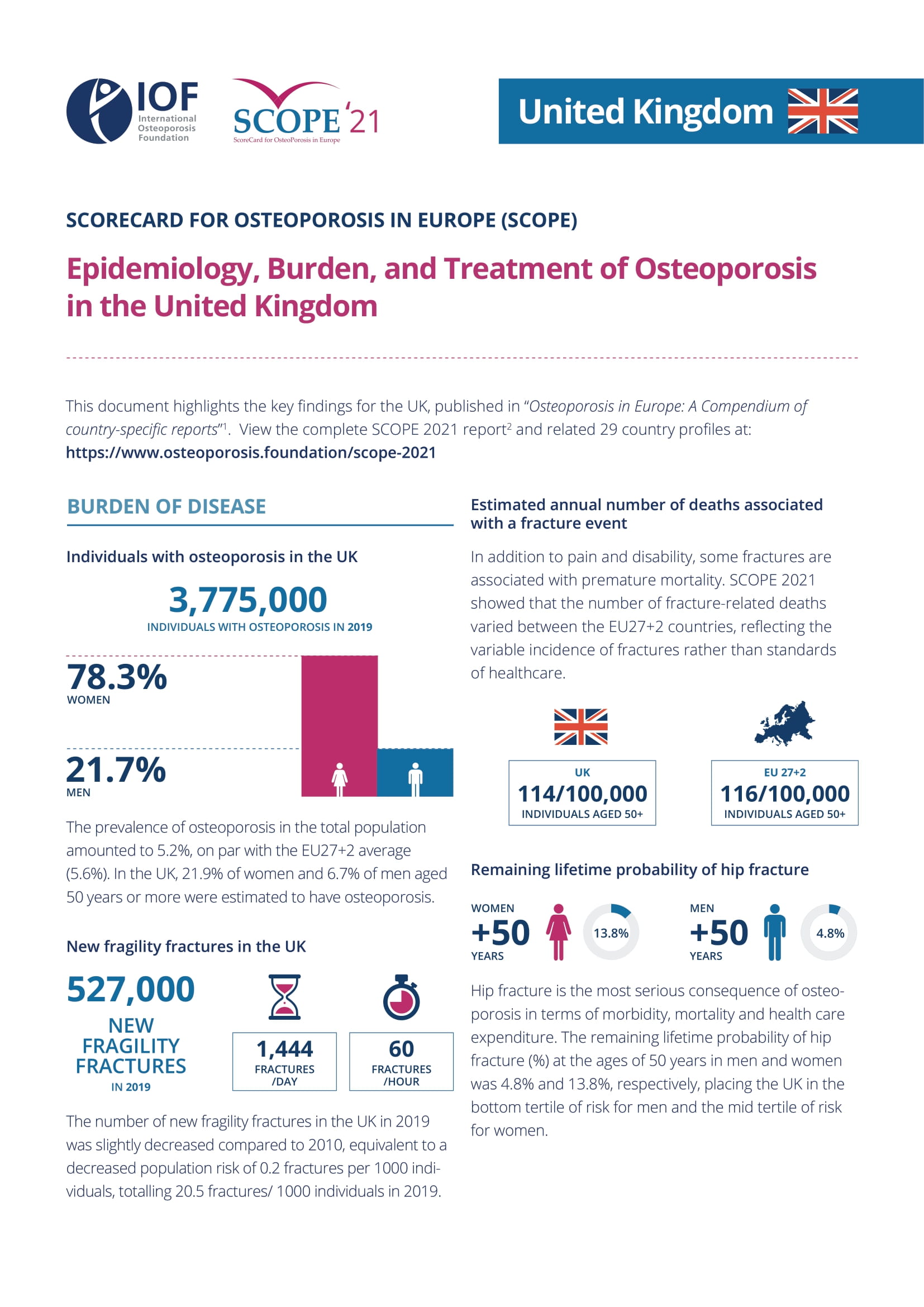
SCORECARD FOR OSTEOPOROSIS IN EUROPE (SCOPE)
22 July, 2022

Advised by Ms. Iliadou Afroditi, Dietitian-Nutritionist, Master Practitioner in Eating Disorders and Obesity
In recent years, dietary supplements have gained popularity as more and more people seek ways to enhance their health, prevent disease, and address potential nutritional deficiencies. Middle-aged and older women in particular, who often experience changes in body composition and bone health, often turn to them.
What are dietary supplements?
Dietary supplements are products that contain nutrients such as vitamins, minerals, trace elements, beneficial fatty acids or plant extracts. Their purpose is to fill nutritional gaps, strengthen the immune system, support the health of bones, heart and other systems. They are not “magic pills” and are not intended to replace a rich and varied diet. Their role is supportive and can often be decisive when there is an increased need or difficulty in meeting needs through diet alone.
Supplements in childhood and adolescence
During childhood, the body’s growth is rapid and the need for nutrients is increased. Vitamin D is extremely important, as it contributes to proper bone development and strengthens the immune system. Iron is essential for preventing anemia, which can negatively affect mental and physical development. In addition, Omega-3 fatty acids have been associated with cognitive development and improved concentration.
During adolescence, the body continues to grow, with a focus on building maximum bone mass. During this time, adequate calcium and vitamin D intake is crucial for future bone health. Multivitamins may help adolescents who do not eat a balanced diet, while adolescent girls often have increased iron needs due to menstruation.
Supplements in adulthood
In adulthood, needs vary depending on lifestyle, physical activity, stress, and personal habits. Many adults are deficient in B vitamins, which are important for proper nervous system function and energy production. Omega-3 fatty acids have been shown to protect the heart and reduce inflammation, while antioxidant vitamins (such as vitamins C and E) help protect against oxidative stress. However, supplementation should be individualized, as overdose can be harmful.
Supplements in menopause
Menopause is a time of major changes for women. The decline in estrogen leads to an increased risk of osteoporosis, cardiovascular disease, and changes in body composition. At this stage, calcium and vitamin D intake are essential for maintaining bone mass. Vitamin K2 and magnesium enhance the action of calcium and help it be deposited in the bones. In addition, phytoestrogens such as soy isoflavones are used to treat hot flashes, but they should be taken with caution and under the guidance of a specialist.
Supplements and common ailments
The use of supplements can also be valuable in certain pathological conditions.
- In hypercholesterolemia, omega-3 fatty acids and phytosterols have been shown to reduce LDL cholesterol levels.
- In hypertension, magnesium and garlic can help regulate blood pressure, but caution is required due to possible interactions with medications.
- In osteopenia and osteoporosis, calcium, vitamin D, vitamin K2 and collagen supplements support bone and joint health.
- Finally, to strengthen the immune system and prevent frequent colds, vitamin C, zinc and echinacea are the best-known examples.
Known drug interactions
Despite their benefits, dietary supplements are not always safe. Some may interact with medications and affect their action. St. John’s wort, for example, reduces the effect of contraceptives and enhances the effect of antidepressants. Vitamin K2 reduces the effectiveness of anticoagulants. Omega-3 fats and sea buckthorn may increase the risk of bleeding when combined with antiplatelet drugs. Magnesium may also affect the absorption of certain antibiotics. For this reason, it is important to always inform your doctor or dietitian before starting any supplement.
Ideal way to receive
The effectiveness of supplements also depends on how they are taken. Fat-soluble vitamins (A, D, E, K) are best absorbed when taken with a meal containing fat. Iron is best absorbed when combined with vitamin C, but its absorption is reduced when taken with calcium. Calcium is absorbed more effectively when combined with vitamin D. Such details make a big difference in their absorption and action.
When is a pharmacy enough and when is a specialist needed?
There are cases where we can obtain simple supplements (e.g. multivitamins, vitamin C, Omega-3) from the pharmacy without the need for special guidance. However, when it comes to supplements related to pathological conditions – such as calcium and vitamin D in women with osteopenia or supplements for high cholesterol – the advice of a doctor or dietitian is necessary. A woman with osteopenia, for example, should not start calcium on her own without supervision, because there is a risk of hypercalcemia or incorrect combination with other medications.
There can be a great deal of discussion about the multitude of preparations, but we should always remember that…
Dietary supplements can be a valuable ally in the prevention and maintenance of health at all ages, from childhood and adolescence to adulthood and menopause. Their use must be done with caution, proper information and, when necessary, with the contribution of a specialist. A balanced diet remains the basis for good health, while supplements come to fill the gaps and strengthen our body, where needed.