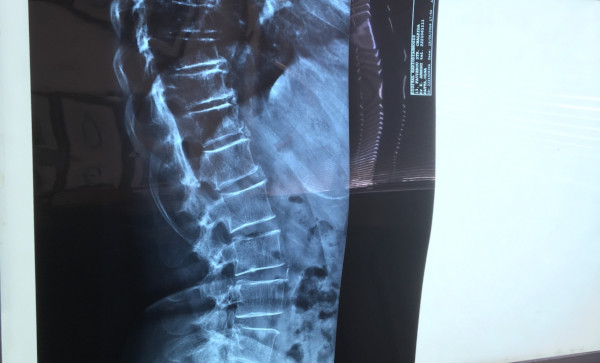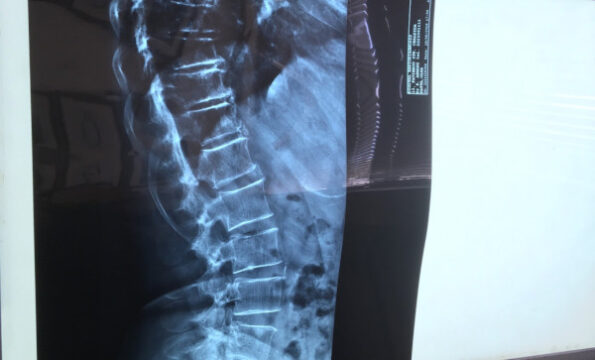



Osteoporotic vertebral fractures
10 July, 2026
Health literacy in patients with hip fracture
10 July, 2026

What is delirium and why does it occur after a hip fracture?
Delirium is a sudden disturbance of attention, thinking, and perception. The patient may experience confusion, disorientation, difficulty concentrating, or changes in behavior and level of consciousness. Symptoms often appear within a few hours or days.
After a hip fracture, delirium often occurs due to a combination of physical stress, pain, surgery, anesthesia, and prolonged hospitalization. Factors such as advanced age, dementia, dehydration, infections, or taking multiple medications significantly increase the risk of its occurrence.
Delirium is not a normal consequence of aging and should not be confused with dementia. Instead, it is a medical emergency that requires immediate evaluation.
What are the symptoms that should concern relatives and healthcare professionals and how is the assessment carried out?
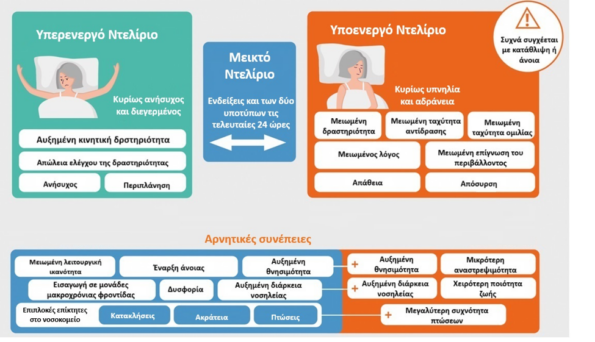
Symptoms of delirium vary and often change during the day. Some patients show intense anxiety, aggression or hallucinations, while others show drowsiness, inability to communicate and reduced responsiveness.
Common warning signs are:
- sudden confusion,
- difficulty recognizing faces or places,
- disorganized speech,
- sleep disturbances,
- sudden changes in mood or behavior,
- reduced cooperation with medical staff.
Particularly important is that symptoms can be intermittent. A patient may seem fine in the morning and a few hours later show severe disoriented behavior. For this reason, close monitoring by relatives and healthcare professionals is essential. In addition, tools such as the 4AT have gained particular popularity due to their speed and ease of application in elderly patients with hip fractures. The systematic use of these tools helps in the early identification of cases that may otherwise remain undiagnosed.
How is delirium treated after a hip fracture?
The treatment is mainly based on the identification and correction of the causes that cause it. Proper pain relief, good hydration, adequate oxygenation and treatment of possible infections are basic measures. At the same time, non-pharmacological interventions play an important role:
• calm and bright environment,
• frequent orientation of the patient in time and space,
• presence of familiar people,
• use of glasses or hearing aids when necessary,
• early mobilization and physical therapy.
The administration of medications is limited only in cases of intense agitation or when the patient is at risk of injuring himself or others. The reckless use of sedative medications can worsen the condition. Can it be prevented? In many cases, yes. Prevention of delirium is a key goal of modern orthogeriatric care. Early surgical treatment of the fracture, proper pain management, and avoidance of prolonged immobility contribute significantly to reducing the risk. In addition, collaboration between orthopedists, anesthesiologists, geriatricians, nurses, and physiotherapists helps in comprehensive patient care. Informing relatives is also important, as they can contribute to the early recognition of symptoms. Delirium after hip fracture is common, but not inevitable. With proper prevention, early diagnosis, and appropriate support, most patients can recover safely and with a better quality of life.

Panagiota Gardeli
RN, MSc, PhD, Professor of Secondary Nursing Education
Member of the Hellenic National Council of Nurses (FFN Gr)