



Modifying the home environment to prevent falls in the elderly
10 July, 2026
Delirium after hip fracture
10 July, 2026
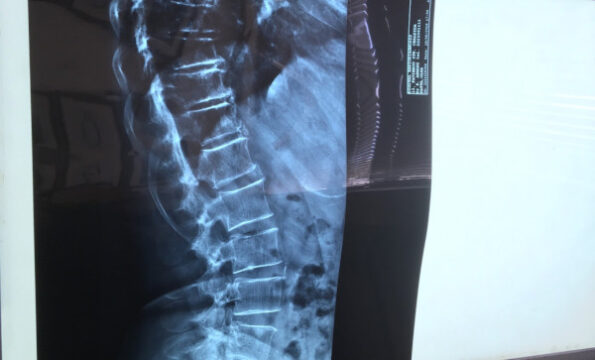
Osteoporosis is a common, systemic skeletal disease, characterized by a decrease in bone density and disruption of bone microarchitecture, increasing their fragility, mainly in the geriatric population. Its main clinical manifestation is fragility fractures, which are associated with increased morbidity, mortality and functional disability. Due to the high incidence of vertebral fractures, early identification of high-risk patients and the implementation of appropriate preventive and therapeutic treatment is crucial.
How is a fracture caused and with what symptoms does it manifest itself?
Osteoporotic bone shows a decrease in the number and thickness of bone trabeculae, i.e. its supporting structures, which reduces its mechanical strength. This structural weakening predisposes to vertebral body compression fractures, which can occur even during low-energy stress or simple daily activities. In clinically apparent fractures, the primary symptom is acute and localized pain in the spine. In rare cases of burst fractures with displacement of bone fragments into the spinal canal, there is a risk of neurological complications. However, a significant number of vertebral fractures remain subclinical, presenting with nonspecific symptoms, such as chronic low back pain or radiculopathy.
How is the diagnosis made?
Most vertebral fractures escape clinical attention and it is difficult to estimate their true incidence in the general population, since they are asymptomatic in about 50% or may cause non-specific symptoms, such as back pain and radiculopathy, common clinical manifestations of degenerative changes of the spine in older people. Plain radiography is essential for diagnosis, and in case of doubt, computed tomography or magnetic resonance imaging.
What is the treatment of osteoporotic vertebral fractures?
Conservative management is the primary therapeutic approach for the majority of vertebral fractures, although rehabilitation is not without clinical complexity. Complete healing requires three to four months, with acute pain subsiding within six to eight weeks. Analgesic treatment is initially based on paracetamol and non-steroidal anti-inflammatory drugs (NSAIDs), with the possibility of escalation to opioid preparations. Due to the high risk of constipation from taking these preparations, it is considered necessary to adopt a balanced diet. In case of persistent and resistant pain, surgical repair of the fracture is considered by performing percutaneous and minimally invasive techniques, such as vertebroplasty or kyphoplasty.
Mobilization, with the application of a spinal brace, and reintegration into daily activities are done gradually, based on pain tolerance. Although the use of a spinal brace is an option exclusively during the acute phase, its systematic application should be avoided.
Of decisive importance is the modification of daily activity, as well as the education of patients in safe mobilization techniques and ergonomics. In addition, exercise, with the help of a specialized physiotherapist, can significantly help reduce pain and reduce the risk of future falls, through muscle strengthening and balance exercises.
How can a future fracture be prevented?
Anti-osteoporotic treatment, a healthy diet and exercise are essential to prevent future spinal fractures. The choice of medication is individualized based on medical history. Calcium and vitamin D adequacy is crucial for the effectiveness of the treatment. Calcium intake through diet is preferred, while for vitamin D, due to limited sun exposure or reduced skin composition in the elderly, supplementation is often necessary to avoid bone loss.

Evi Mitsiokapa, MD, PHD, SFEBPRM
Physical Rehabilitation Physician, General Hospital of Rehabilitation Sciences “Sotiria”
General Secretary of the Board of Directors of the Hellenic Federation of Rehabilitation Sciences (FFN Gr)