



Nutrition and Sarcopenia: The Importance of Musculoskeletal Health in Older Age
10 July, 2026
Modifying the home environment to prevent falls in the elderly
10 July, 2026
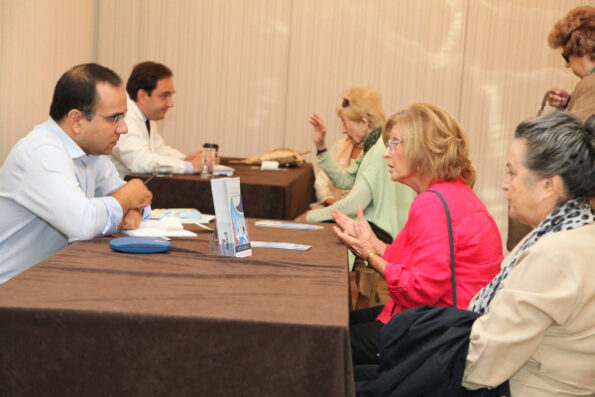
What is the role of communication in providing health care to elderly patients?
Communication is a two-way process between people. A common belief among almost everyone is that communication is a continuous and dynamic interaction that occurs in real time.
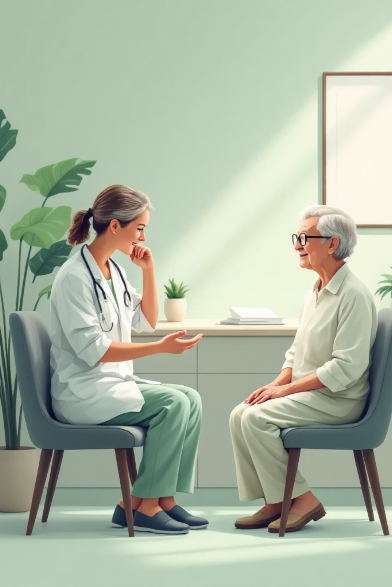
Communication between health professionals and patients is an essential element of the health care delivery process. People of all ages may experience problems that make communication difficult, and health professionals may need to adapt their communication strategies to meet individualized care needs.
What are the benefits of effective communication?
Effective communication can help build good relationships with elderly patients, facilitating optimal management of their care. Additional benefits include:
- Patient trust in the healthcare professional
- Improved quality of life
- Improved management of chronic conditions
- Reduced feelings of hopelessness
- Less unnecessary prescribing
- Improved emotional health
- Fewer diagnostic tests
What are the challenges in communicating with older adults?
Communicating with older adults is often made more difficult by physical, psychological, and cognitive changes that occur with aging. Understanding these barriers is the first step to bridging the gap and engaging meaningfully with older adults. The main challenges in communicating with older adults are:
- Sensory impairments
◦ Hearing loss and vision problems - Cognitive impairment
◦ Alzheimer’s disease and other forms of dementia - Physical limitations
◦ Stroke, Parkinson’s disease - Psychological factors
◦ Anxiety, depression, fear - Environmental factors
◦ Noise, lack of privacy - Intergenerational and cultural differences
◦ Differences in language use, slang or values - Ageism
◦ Negative stereotypes about older adults
What are the strategies for improving communication with older adults?
Effective communication strategies can be grouped into a few practical and polite methods:
- Active listening and clear and respectful speech
- Reinforcing non-verbal communication
- Encouraging the use of tools such as hearing aids
- Creating a comfortable environment
- Empathy and patience
- Involving caregivers and training health professionals
The application of specific techniques and skills promotes effective communication, strengthening the relationship between patient and health professional, leads to better health outcomes, helps prevent medical errors and makes the most of the limited communication time.
The most important techniques are:
- Slow pace of conversation and simple and understandable language
- Use or design of images, diagrams, videos, posters
- TeachBack technique – The health professional asks the elderly person to repeat in his own words what he understood. This confirms understanding and identifies misconceptions.
- Askme 3 – A technique that encourages older adults and their families to ask three key questions to healthcare professionals about their health problem.

Pana Anastasia, RN, PhD, Postdoctoral Researcher,
Assoc. Head of the General Hospital of Voula Asklepieion
Member of the Hellenic National Board of Nursing (FFN Gr)