


The power of communication between healthcare professionals and older adults
10 July, 2026
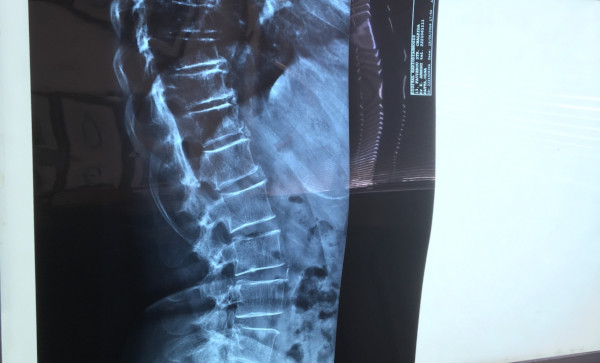
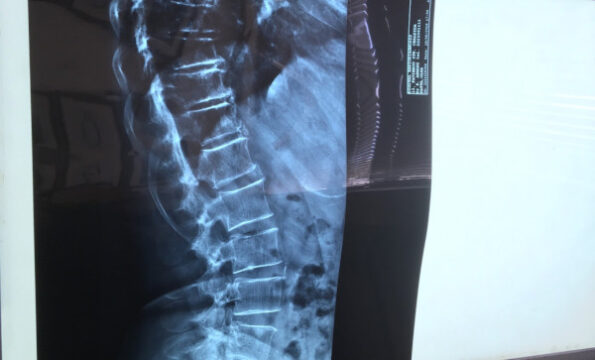
Osteoporotic vertebral fractures
10 July, 2026

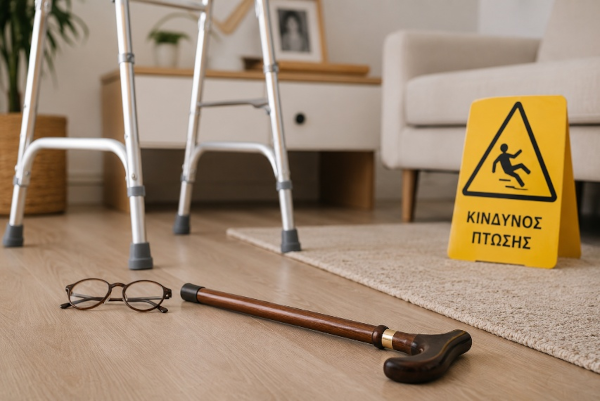
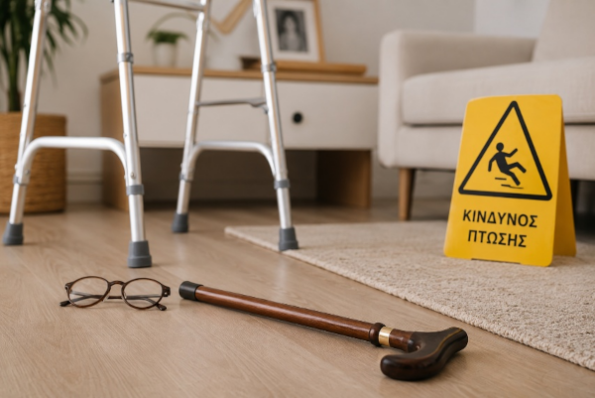
Occupational therapy is the link between the elderly and their environment, offering personalized solutions that transform the home into a place of safety and autonomy. The role of the occupational therapist is crucial in preventing falls, as he assesses the specific capabilities and needs of the individual.
Most falls occur in the bedroom (56%) due to stiffness and slow reactions after sleep, followed by the bathroom and stairs (14% respectively).
Overall safety depends on the proper organization of the home. To prevent accidents, it is necessary to keep all areas tidy and free of obstacles, while stairs must have stable handrails and adequate lighting. At the same time, the elderly must constantly carry a charged mobile phone or an emergency alert system with them, using a hands-free system where possible. Finally, it is necessary to create and communicate a clear emergency plan to family, caregivers and friends, so that everyone is prepared to immediately deal with possible incidents.
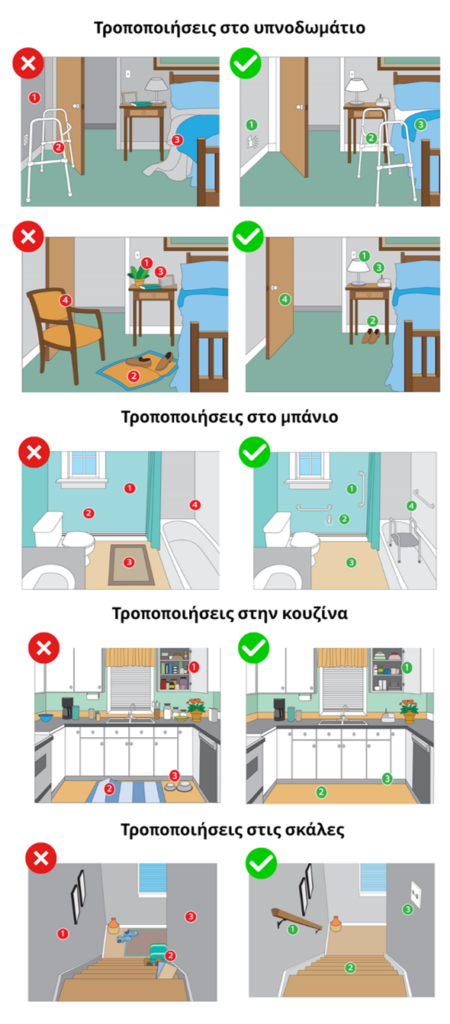
Implementing these interventions contributes substantially to reducing falls, maintaining independence and improving the quality of life of older people, allowing them to remain safe in their familiar environment. In this context, targeted modifications to the bathroom, kitchen and bedroom are particularly important to eliminate everyday risks.
How can you modify the bedroom?
◦ Raise the bed by about 15 cm (ideal height 46–58.5 cm).
◦ Place a folding handle or railing next to the bed for safe getting up and lying down.
◦ Remove or secure carpets with double-sided tape.
◦ Place frequently used items on low shelves.
◦ Remove obstacles from the floor (shoes, rugs, objects).
◦ Adequate night lighting.
◦ Unobstructed path from bed to bathroom.
◦ Install an intercom or emergency notification system.
What changes should be made to the bathroom?
The bathroom is the second most common place for falls, but it is associated with the most serious injuries due to slippery surfaces and obstacles in the space.
- Use a bath board or chair for safe entry and exit.
- Install a toilet lift.
- Install tilting support bars next to the toilet.
- Anti-slip mat in the shower or bathroom.
- Place all necessary items close to the user.
- Use personal hygiene aids with long handles.
- Door design that allows access in case of a fall.
- Immediately remove water from the floor.
- Mop while sitting and avoid bending.
How can you make the kitchen safer?
The kitchen is a place where prolonged standing, carrying weight and accessing high shelves increase the risk of accidents.
- Avoid prolonged standing while preparing food.
- Use a seat or a specially designed workbench.
- Avoid accessing high shelves.
- Place heavier utensils in low and easily accessible places.
- Use smaller and lighter cooking utensils.
- Remove or secure rugs and protective mats.
How to adapt activities of daily living?
Performing activities of daily living while sitting significantly reduces the risk of losing balance and falling.
- Dressing and putting on shoes in a sitting position.
- Using a sock puller to apply socks without bending over.
- Avoiding unsuitable slippers that do not support the foot.
- Choosing stable shoe-type slippers.
- Using comfortable shoes with shock absorption and good support, especially in people with foot deformities or diabetes.
- Avoiding shoes with heels.

Michelis Agamemnon, MScOccupational Therapist
Deputy Head of the Elderly Protection Department of the Municipality of Paiania
Member of the Greek National Council of Occupational Health and Safety (FFN Gr)