



Delirium after hip fracture
10 July, 2026
Patient advocacy in healthcare
10 July, 2026

What is health literacy?
Health literacy (HL) refers to the ability of individuals to understand, evaluate and apply information related to their health. It includes, for example, understanding the instructions of a health professional, taking medications correctly, understanding basic test results and adopting health-promoting behaviors.
Health literacy also includes the active participation of patients in decision-making, communicating with health professionals and the ability to search for reliable information, including through digital media. For this reason, it is considered a key factor in empowering patients, as it helps them to participate more actively in their treatment and recovery.
Why do older people have difficulty?
Older people often have difficulty understanding health information. Medical terms can seem complicated, while instructions are not always clear and easy to understand. Many older adults are hesitant to ask for clarification, either out of insecurity or fear of appearing to not understand what is being explained to them. For this reason, many older adults rely on caregivers to better understand medical instructions and make decisions about their care. Health literacy is influenced by many factors, including:
- Age and educational level
- Cognitive function and memory
- Language skills and digital competence
- Social support
- Access to health services
How does low health literacy affect health outcomes?
Low health literacy can negatively affect both daily health management and clinical outcomes. People with low health literacy often have difficulty understanding diagnoses, treatment instructions, and information about their medications or tests. This leads to:
- Reduced adherence to treatment.
- Difficulties in self-management of chronic conditions.
- Limited participation in decision-making.
- Incorrect or delayed use of health services.
- Lower use of preventive services.
Why is health literacy important in osteoporosis and hip fractures?
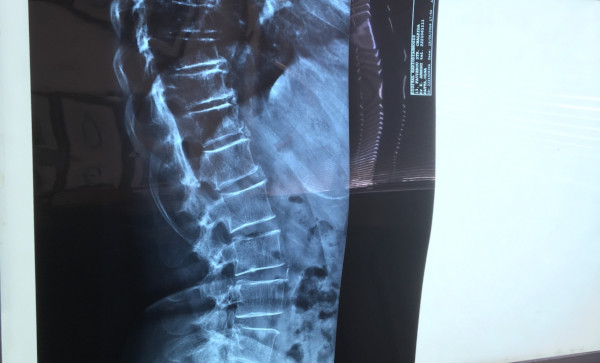
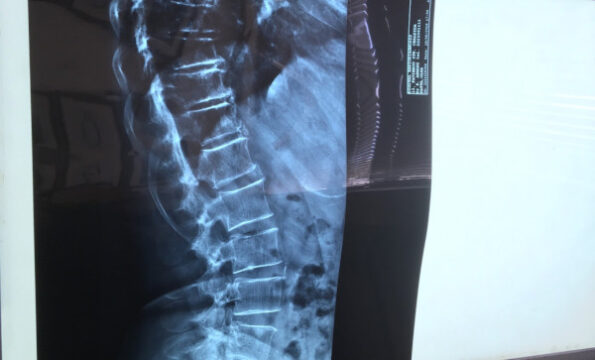
The importance of health literacy becomes particularly evident in conditions such as osteoporosis and hip fractures. A person who does not know exactly what a fragility fracture means or what the risk factors for osteoporosis are is more likely to not recognize the risk in time or not follow treatment instructions correctly.
Many elderly patients with a fracture have difficulty understanding the treatment plan, discharge goals, the importance of mobilization and rehabilitation instructions. At the same time, low health literacy is associated with reduced compliance with anti-osteoporosis treatment and with difficulties in secondary prevention of new fractures.
Conversely, when patients better understand their condition, treatment, and role in recovery, they are more likely to follow instructions, actively participate in their care, and recover more quickly. Involving family and caregivers, using plain language, and providing clear and personalized information can significantly improve outcomes.

Katerina Athanasopoulou
Educator, PhD Candidate, University of Patras
Secretary, E.D.I.K.E. (FFN Gr)
Education & Communication Coordinator-FFN Global