



Dietary Supplements: When and how can they help us?
10 October, 2025
Falls in the elderly: Can they be prevented?
10 July, 2026
What is a hip fracture and why is rehabilitation required?
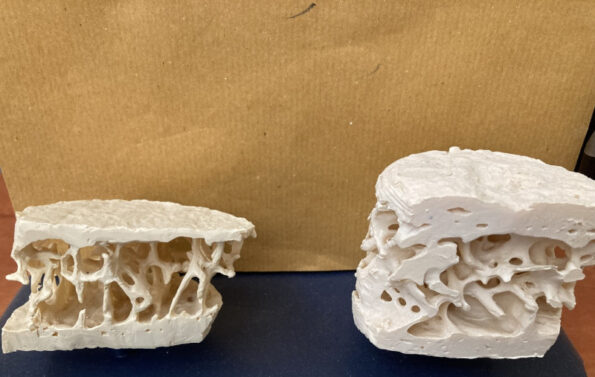
A hip fracture is one of the most common and serious injuries in the elderly, usually as a result of a fall or osteoporosis. Surgical treatment is often necessary, however, successful outcome depends not only on the surgery but also on proper and complete rehabilitation.
The rehabilitation period aims to restore the patient’s mobility, muscle strength and functional independence. At the same time, it contributes to reducing the complications that may arise from immobility, such as thrombosis, lung infections and loss of muscle mass.
When does rehabilitation begin after a hip fracture?
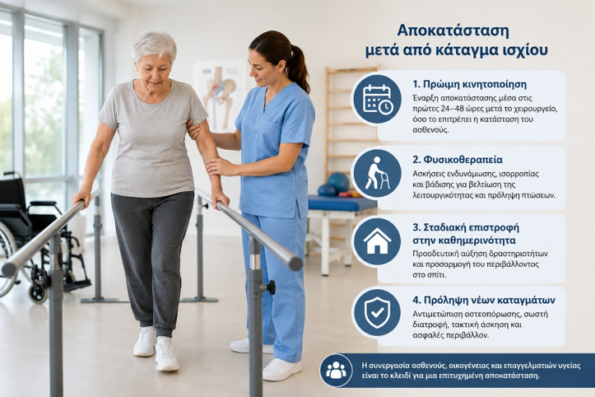
Modern scientific practice supports that rehabilitation should begin as early as possible, usually within the first 24–48 hours after surgery, if the patient’s general condition allows. Early mobilization has been associated with faster functional recovery and shorter hospital stays.
In the early stages, the program includes bed exercises, position changes, bed-to-chair transfer training, and gradual ambulation with the use of aids such as a walker or crutches. Progress is always tailored to the needs and capabilities of each patient, based on medical assessment, postoperative pain, general physical condition, and safety during mobilization.
What is the role of physical therapy?
Physical therapy is a key pillar of rehabilitation. Physical therapy interventions focus on improving muscle strength, balance, endurance, and walking ability.
The program may include lower extremity muscle strengthening exercises, balance exercises, and training in daily activities. Organized exercise programs improve physical function and quality of life in patients after a hip fracture.
In addition, physical therapy helps prevent new falls by educating the patient and improving stability while walking.
How long does rehabilitation last and what factors affect it?
The duration of rehabilitation varies from person to person. It usually takes several months for significant functional improvement, while full recovery can take up to a year. Age, physical condition before injury, the presence of concomitant diseases and consistency in the implementation of the treatment program significantly affect the final result.
The collaboration of an orthopedist, physiatrist, physical therapist and family is crucial. At the same time, addressing risk factors, such as osteoporosis and balance disorders, reduces the likelihood of new fractures and enhances the patient’s long-term functional independence.
Additionally, it is important to emphasize that rehabilitation after a hip fracture is a multidisciplinary process and is not limited to physical therapy alone. The orthopedist, physiatrist, nurse, occupational therapist, dietitian, psychologist and social worker can contribute to comprehensive care, depending on the patient’s needs. Equally important is the role of family and caregivers, both in daily support and in enhancing safety and consistency in the rehabilitation program. Factors such as polypharmacy, nutrition, fear of falling and safety at home should also be assessed, as they substantially affect the course of rehabilitation and the prevention of new fractures.

Ioannis – Alexandros Tzanos
Physical Rehabilitation Physician, General Hospital of the Hellenic National Academy of Sciences
Member of the Hellenic National Academy of Sciences (FFN Gr)